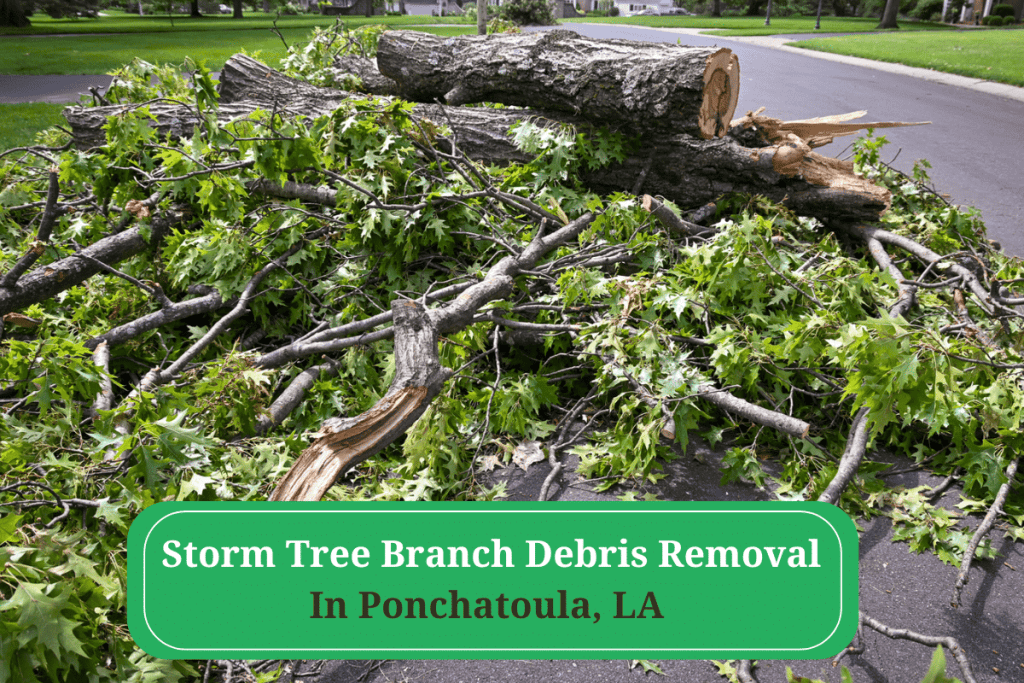
Severe storms are a recurring reality for homeowners and property managers in Ponchatoula, bringing high winds, heavy rain, and fallen tree limbs that can quickly turn into serious hazards. After a storm passes, the visible damage may look manageable at first, but unattended tree branch debris can create long-term safety risks, property damage, and legal concerns. This is why tree branch debris removal in Ponchatoula is not just a cleanup task—it’s a critical step toward restoring safety, protecting investments, and maintaining community standards.
This in-depth guide explains why prompt post-storm debris removal matters, what risks are involved if it’s delayed, and how structured, professional cleanup supports both residential and commercial properties.
Understanding Post-Storm Tree Branch Debris and Its Impact
Storms often leave behind broken limbs, uprooted trees, and scattered branches. These materials are heavier and more unpredictable than they appear. Waterlogged wood increases in weight, sharp edges are hidden under leaves, and unstable branches can shift without warning.
From blocked driveways to damaged roofs and compromised landscaping, storm debris affects daily routines and long-term property value. Addressing the mess promptly is the foundation of effective storm recovery.
Why Tree Branch Debris Removal in Ponchatoula, LA Is Critical for Safety
Immediate Physical Hazards
Fallen branches can obstruct walkways, roads, and entry points, increasing the risk of slips, trips, and falls. Children, pets, and elderly residents are particularly vulnerable. Large limbs may also be under tension, snapping unexpectedly when moved incorrectly.
Hidden Electrical and Structural Risks
Storm debris often entangles with power lines, fences, or roof structures. Attempting to move branches without proper assessment can lead to electric shock or further structural collapse. Prompt, informed removal reduces these risks before secondary accidents occur.
How Storm Debris Threatens Property Protection
Roof, Siding, and Foundation Damage
Tree limbs resting on roofs or leaning against walls apply constant pressure. Over time, this can crack shingles, loosen siding, and allow moisture to penetrate interior spaces. Even small branches can cause significant damage when left unattended.
Landscaping and Drainage Issues
Debris accumulation blocks natural drainage paths, leading to standing water, soil erosion, and plant damage. This can weaken tree roots and destabilize surrounding structures, compounding repair costs long after the storm is gone.
The Role of Storm Debris Cleanup in Preventing Long-Term Problems
Storm debris cleanup is about more than appearances. It restores functionality and prevents secondary damage such as mold growth, pest infestation, and landscape decay. When debris remains on-site, moisture retention accelerates wood rot and creates ideal conditions for termites and rodents.
Timely cleanup also supports insurance documentation, making it easier to assess damage accurately and move forward with repairs.
Why DIY Cleanup Is Often Risky After Storms
Many property owners consider handling debris themselves, but post-storm environments are unpredictable. Chainsaw injuries, back strain, and falls are common during unplanned cleanup efforts. Without proper tools and safety protocols, well-intentioned DIY work can result in costly medical bills or additional property damage.
This is why many residents turn to tree debris removal services that follow structured safety standards and proven techniques.
Benefits of Hiring Professional Debris Removal
Expertise and Safety Protocols
Professional debris removal teams understand how to evaluate unstable trees, identify load-bearing branches, and remove debris systematically. Their training minimizes risks while ensuring thorough cleanup.
Efficient and Complete Removal
Unlike partial DIY efforts, professionals ensure all debris—large limbs, smaller branches, and residual organic waste—is cleared. This prevents overlooked hazards and supports faster property recovery.
Proper Disposal and Environmental Care
Professionals handle disposal according to local guidelines, reducing environmental impact and keeping neighborhoods compliant with municipal regulations.
Why Localized Cleanup Matters
When it comes to post-storm recovery, localized knowledge makes a difference. Choosing experts familiar with debris removal in Ponchatoula, LA ensures faster response times and an understanding of regional weather patterns, soil conditions, and vegetation types. This local insight leads to safer and more effective cleanup outcomes.
Legal and Insurance Considerations After Storm Debris Accumulation
Unremoved debris can lead to code violations or disputes with neighboring properties if branches cross boundaries or block shared access. Insurance providers may also require timely mitigation to approve claims. Professional documentation of cleanup efforts supports compliance and protects property owners from liability.
Environmental and Community Benefits of Prompt Debris Removal
Beyond individual properties, coordinated cleanup improves neighborhood safety and aesthetics. Clear streets allow emergency vehicles to operate efficiently, while debris-free lots discourage illegal dumping and pest activity. Responsible removal supports community resilience after severe weather events.
Choosing Reliable Tree Debris Removal Services
When selecting a service provider, look for:
- Proven storm response experience
- Clear safety procedures
- Proper equipment for heavy and elevated debris
- Transparent communication and timelines
Reliable providers focus on both immediate cleanup and long-term site stability.
Frequently Asked Questions
Q1: How soon should storm debris be removed after a storm?
As soon as conditions are safe. Prompt removal reduces injury risks and prevents secondary property damage.
Q2: Is storm debris considered hazardous waste?
While not always hazardous, storm debris can become dangerous due to sharp edges, instability, or entanglement with utilities.
Q3: Can leftover branches attract pests?
Yes. Piled wood and organic debris create ideal habitats for insects and rodents.
Q4: Does insurance usually cover storm debris cleanup?
Coverage varies by policy, but many insurers require documentation and timely action to approve claims.
Q5: Why is professional cleanup safer than DIY?
Professionals use proper tools, safety gear, and techniques to manage unpredictable debris safely.
Summary
Post-storm recovery is about restoring safety, preventing further damage, and protecting long-term property value. Tree branch debris removal in Ponchatoula, LA plays a vital role in reducing hazards, maintaining structural integrity, and ensuring compliance with local standards. From immediate risk reduction to environmental responsibility, professional cleanup is an investment in peace of mind.
At the heart of reliable storm recovery is experience and accountability. The Treeminator LLC focuses on thorough, safety-first debris solutions that help property owners move forward confidently after severe weather.