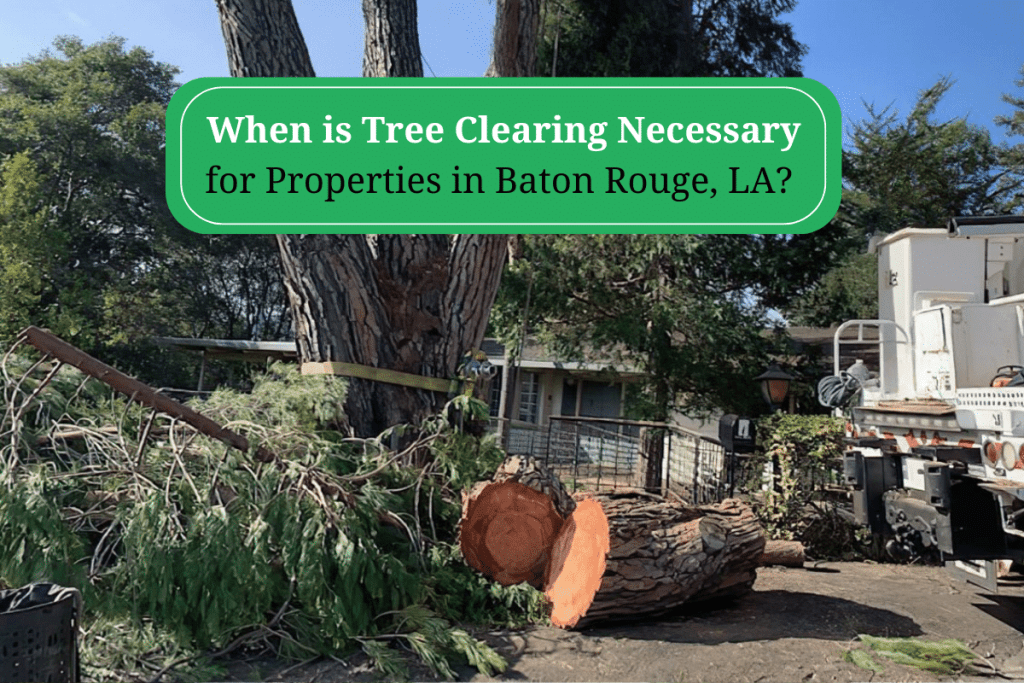
Trees add beauty, shade, privacy, and value to a property, but there comes a point when unmanaged growth turns from an asset into a liability. In a place like Baton Rouge, where heavy rain, storm activity, dense vegetation, and fast seasonal growth are common, property owners often face situations where tree clearing becomes more than just a cosmetic decision. It becomes a matter of safety, property function, land usability, and long-term maintenance.
Knowing when tree clearing is necessary can help homeowners, landowners, and commercial property managers make timely decisions before small issues become expensive problems. Whether you are preparing land for development, dealing with storm-damaged trees, improving access, or trying to restore the appearance of an overgrown lot, understanding the warning signs is the first step toward protecting your investment.
Why Tree Clearing Matters for Baton Rouge Properties
Baton Rouge properties face a unique mix of environmental conditions. Moisture-rich soil, frequent storms, warm temperatures, and fast-growing vegetation can quickly create dense, unmanaged growth. Trees and brush may begin to crowd structures, lean over driveways, block views, interfere with utilities, or create hazardous conditions across the property.
Tree clearing is often necessary when vegetation starts affecting the safety, usability, or appearance of the land. In some cases, clearing is needed to remove dead, diseased, unstable, or storm-damaged trees. In other situations, it is part of preparing for construction, improving drainage, reducing pest activity, or reclaiming neglected outdoor areas.
Property owners who act early are often better positioned to avoid structural damage, emergency removals, and costly site complications later.
Signs You Need Tree Clearing on Your Property
One of the clearest reasons to schedule professional service is when visible warning signs begin to appear. Many property owners delay action because they assume the trees are only unattractive or inconvenient, but the reality is that these issues can worsen quickly.
Here are some common signs you need tree clearing:
Trees Are Too Close to Structures
When trees grow too close to a house, garage, fence, shed, or other structure, they can cause multiple problems. Branches may scrape roofs, clog gutters, damage siding, or break during storms. Root systems can also interfere with foundations, walkways, and underground utilities. If trees are crowding built structures or limiting future expansion, clearing may be necessary to prevent long-term damage.
Dead, Diseased, or Deteriorating Trees Are Present
Dead or declining trees create serious safety concerns. A tree that has lost major limbs, shows trunk decay, leans unexpectedly, or no longer produces healthy foliage may be structurally compromised. Diseased trees can also spread problems to surrounding vegetation if not removed in time. Clearing affected trees helps protect both people and nearby plant life.
The Property Has Become Overgrown and Difficult to Manage
Overgrowth is one of the biggest indicators that clearing is needed. Dense vegetation can reduce visibility, hide hazards, trap moisture, and make it difficult to walk, mow, inspect, or maintain the property. Overgrown tree clearing is often necessary when the land no longer functions the way it should and normal upkeep has become impractical.
Storm Damage Has Left Trees Unstable
Baton Rouge weather can be rough on trees. High winds, saturated ground, lightning, and heavy rain can weaken trunks, split limbs, and destabilize root systems. Even if a damaged tree is still standing, it may pose a hidden risk. Trees that lean after storms, drop large branches, or show cracked limbs often require professional evaluation and clearing.
Trees Are Blocking Access or Intended Land Use
When trees limit access to driveways, pathways, fence lines, parking areas, or future project spaces, clearing may be the most practical solution. This is especially important for vacant lots, rural acreage, and commercial properties where usable space matters. Clearing can open up room for construction, landscaping, drainage improvements, storage areas, or general mobility.
Overgrown Tree Clearing and Its Impact on Property Health
An overgrown property is not just harder to look after. It can also become less safe, less attractive, and less valuable. Thick tree cover may reduce sunlight, contribute to mold or mildew issues, encourage weed spread, and create an environment where pests thrive. Rodents, snakes, termites, and insects often use unmanaged vegetation for shelter and movement.
Overgrowth can also conceal broken branches, uneven ground, hidden debris, and drainage problems. In many cases, what appears to be a simple cleanup issue is actually masking a larger land management concern.
That is why overgrown tree clearing is often recommended not only for appearance, but also for restoring order and reducing risk. When the property becomes too crowded with trees, brush, saplings, and invasive growth, a strategic clearing plan helps bring the space back under control.
When Tree Clearing Supports Property Improvement Goals
There are many situations where tree clearing is not reactive, but proactive. Property owners frequently choose clearing as part of a broader plan to improve land use, curb appeal, or market value. Tree clearing for property improvement is especially common when preparing a site for renovation, resale, outdoor upgrades, or better long-term maintenance.
Preparing for Construction or Expansion
If you are planning to build a home addition, install a driveway, add fencing, place a storage structure, or start a commercial project, unwanted trees may need to be removed first. Clearing provides the open, workable space needed for grading, surveying, and construction access.
Improving Curb Appeal
A lot filled with unmanaged or poorly placed trees can make a property appear neglected. Strategic clearing can dramatically improve the overall appearance of a home or commercial site by opening views, balancing the landscape, and making the property look larger and cleaner.
Increasing Sunlight and Airflow
Too much dense tree coverage can limit airflow and sunlight around a property. This can affect grass health, garden growth, moisture levels, and outdoor comfort. Selective clearing helps create a more balanced outdoor environment while improving the function of the space.
Reclaiming Unused Areas
Many property owners have sections of land they rarely use because trees and brush have taken over. Clearing these areas can create room for recreation, landscaping, storage, parking, or other practical uses. In the middle of many site improvement plans, property owners often realize that tree clearing in Baton Rouge is a key first step toward making the land more usable.
Safety Risks of Delaying Necessary Tree Clearing
Waiting too long to clear problem trees can lead to avoidable hazards and expenses. Trees that seem manageable today may become dangerous after the next major storm or growth cycle. Delayed clearing can result in:
- Falling limbs near people, vehicles, and structures
- Roof, siding, or fence damage
- Obstructed driveways or access points
- Utility interference
- Increased pest activity
- Emergency removal costs
- Delays in construction or landscaping projects
Proactive clearing is often more affordable and less disruptive than emergency work. Addressing problems early also gives property owners more control over how the land is managed.
Tree Clearing Is Often Necessary After Storm Season
In Baton Rouge, storms can change the condition of a property very quickly. Even healthy-looking trees may suffer hidden stress from repeated wind exposure or waterlogged ground. After a storm season, it is wise to inspect the property for:
- Hanging or broken limbs
- Uprooted or leaning trees
- Split trunks
- Trees touching power lines or structures
- Debris buildup and blocked access routes
- Sudden canopy thinning or bark damage
If multiple trees were affected, clearing may be necessary to restore safety and prevent further decline across the landscape.
How Professional Assessment Helps Determine the Right Time
Not every tree needs to be removed, and not every crowded lot requires full clearing. The right approach depends on the condition of the trees, the purpose of the property, and the owner’s long-term goals. A professional assessment helps determine which trees should stay, which should go, and how the work can be completed safely and efficiently.
Professionals can identify structural concerns, disease issues, root-related risks, and access limitations that may not be obvious to the average property owner. This kind of evaluation is especially important when clearing is tied to site development, storm recovery, or liability reduction.
A trusted provider such as The Treeminator LLC can help property owners make informed decisions based on land condition, tree health, and intended property use.
Choosing Tree Clearing for Long-Term Value
Tree clearing should never be viewed only as removal. When done thoughtfully, it is an investment in the long-term performance and appearance of the property. Proper clearing can improve safety, support healthy land use, reduce maintenance demands, and make future improvements easier to complete.
For residential properties, that may mean a cleaner yard, better visibility, and fewer storm concerns. For larger tracts or commercial lots, it may mean easier development, better access, and a more functional layout. In both cases, the value comes from creating a property that is safer, more usable, and easier to maintain.
The Treeminator LLC understands that each property has different needs, which is why tree clearing decisions should always be based on site-specific conditions rather than guesswork.
Frequently Asked Questions
How do I know if I need tree clearing or just tree trimming?
Tree trimming is usually enough when branches are healthy but overextended, lightly obstructive, or affecting appearance. Tree clearing is more necessary when trees are dead, unstable, overcrowded, storm-damaged, or preventing the intended use of the land.
Is overgrown tree clearing only for large properties?
No. Even small residential lots can require overgrown tree clearing if vegetation begins affecting safety, access, drainage, or curb appeal. Property size matters less than how the growth is impacting the space.
Can tree clearing help improve property value?
Yes. Tree clearing for property improvement can make land more attractive, functional, and marketable. A cleaner and better-managed property often creates a stronger first impression and may reduce future maintenance concerns for buyers.
When is the best time of year for tree clearing in Baton Rouge?
The right timing depends on the condition of the trees and the reason for clearing. Hazardous or storm-damaged trees should be addressed as soon as possible. For planned projects, scheduling may depend on site goals, weather conditions, and construction timelines.
Should I clear trees before starting a construction project?
Yes, in most cases. Clearing is often one of the earliest and most important steps before grading, building, or expanding a site. It helps create safe access and prepares the land for the next phase of work.
Summary
Tree clearing becomes necessary when trees start threatening safety, limiting property use, interfering with improvements, or creating an overgrown and unmanageable landscape. From storm damage and structural risk to land preparation and aesthetic upgrades, timely action can protect both the condition and value of your property. For owners looking for dependable guidance and professional results, The Treeminator LLC offers tree service solutions tailored to the unique needs of Baton Rouge properties.