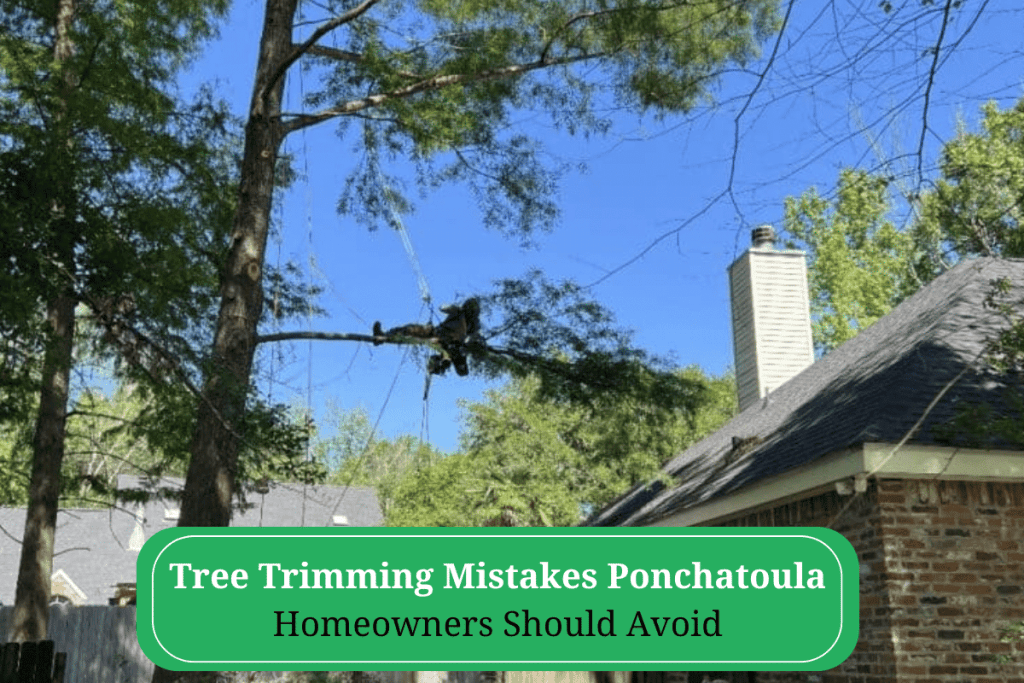
Proper tree care is essential for maintaining a safe, attractive, and healthy landscape, especially in a place like Ponchatoula, Louisiana, where heavy rainfall, high humidity, and seasonal storms can significantly impact tree health. While trimming trees may seem like a simple weekend project, many homeowners unintentionally make mistakes that lead to long-term structural damage, disease, or even hazardous conditions.
In this comprehensive guide, we’ll explore the top 10 tree trimming mistakes homeowners in Ponchatoula, LA should avoid, along with expert-backed insights to help you protect your property and investment.
Why Proper Tree Trimming Matters in Ponchatoula, LA
Ponchatoula’s climate encourages rapid tree growth. Oak, pine, maple, and cypress trees thrive here—but without proper maintenance, they can become overgrown and structurally weak. Poor pruning practices can:
- Increase the risk of storm damage
- Invite fungal infections and pests
- Cause over-pruning and tree damage
- Reduce property value
- Create safety hazards
Understanding what not to do is just as important as knowing the correct techniques.
1. Over-Pruning and Removing Too Much Canopy
One of the most common mistakes is removing too many branches at once. Over-pruning and tree damage often go hand in hand.
Why It’s Harmful:
- Trees rely on leaves for photosynthesis.
- Removing more than 25% of the canopy in a single season can shock the tree.
- Excessive pruning weakens structural integrity.
Expert Tip:
Prune gradually over multiple seasons instead of aggressively cutting back growth all at once.
2. Using Improper Tree Pruning Techniques
Improper tree pruning techniques can permanently damage trees and make them vulnerable to disease.
Common Errors:
- Topping trees (cutting the main trunk to reduce height)
- Making flush cuts that remove the branch collar
- Leaving long stubs
These mistakes prevent proper healing and increase decay.
Correct Approach:
Always cut just outside the branch collar and use clean, sharp tools to ensure smooth cuts that heal properly.
3. Trimming at the Wrong Time of Year
Timing is critical. The wrong time for tree trimming can stress trees and attract pests.
In Ponchatoula:
- Late winter or early spring is typically ideal.
- Avoid heavy pruning during peak summer heat.
- Do not prune during active disease outbreaks.
Improper timing can weaken trees before hurricane season, increasing storm vulnerability.
4. Ignoring Tree Species-Specific Needs
Not all trees should be trimmed the same way. Oaks require different pruning methods than crepe myrtles or pines.
For example:
- Oak trees are highly susceptible to oak wilt if pruned improperly.
- Crepe myrtles are often “topped,” which ruins their natural shape.
Understanding species-specific growth patterns prevents unnecessary damage.
5. Cutting Branches Too Close or Too Far from the Trunk
Precision matters.
- Cutting too close removes the protective branch collar.
- Cutting too far leaves stubs that decay.
Both errors can lead to fungal infections and structural weakness.
Proper technique ensures faster healing and long-term stability.
6. Using Dull or Dirty Tools
Unsterilized or dull tools can:
- Tear bark instead of making clean cuts
- Spread disease from one tree to another
- Cause uneven wounds
Always disinfect tools between trees, especially if disease is suspected. Sharp pruning shears and saws create cleaner cuts that promote healthy recovery.
7. Ignoring Safety Precautions
Tree trimming is dangerous. According to national safety statistics, ladder falls and chainsaw accidents are common among homeowners attempting DIY trimming.
Common Risks:
- Falling branches
- Power line contact
- Ladder instability
- Improper chainsaw handling
When branches are near utility lines or rooftops, it’s best to consult professionals who provide tree trimming services in Ponchatoula.
8. Removing Structural Branches Incorrectly
Some branches are essential to a tree’s framework. Removing central leader branches or key scaffolding limbs can:
- Disrupt growth patterns
- Cause structural imbalance
- Increase breakage risk during storms
Instead of removing large structural limbs abruptly, corrective pruning should be gradual and strategic.
9. Neglecting Storm-Damaged Trees
After Louisiana storms, many homeowners attempt quick cleanups without evaluating structural integrity.
Improperly removing storm-damaged limbs can:
- Tear bark further
- Destabilize the trunk
- Mask internal damage
A proper assessment ensures you don’t create additional hazards.
10. Failing to Recognize When Professional Help Is Needed
DIY trimming works for small shrubs and minor branches. However, large mature trees require expertise.
Signs you need professional evaluation:
- Large branches overhanging your home
- Visible decay or cavities
- Leaning trees
- Heavy canopy imbalance
- Storm-damaged limbs
Professionals understand local climate challenges, disease risks, and structural safety standards specific to Ponchatoula.
The Long-Term Impact of Tree Trimming Mistakes
Tree trimming errors aren’t always immediately visible. Damage often appears months or even years later.
Potential Consequences:
- Premature tree death
- Increased pest infestation
- Expensive removal costs
- Insurance claims due to falling limbs
- Reduced property curb appeal
Preventing improper tree pruning techniques today saves significant costs in the future.
How to Trim Trees the Right Way in Ponchatoula
While avoiding mistakes is important, here are general best practices:
✔ Prune During Dormant Season
Late winter is typically ideal.
✔ Remove Dead, Diseased, or Crossing Branches First
Focus on health and structure.
✔ Maintain Natural Shape
Avoid topping or unnatural reshaping.
✔ Limit Canopy Removal
Never remove more than 20–25% in one season.
✔ Inspect After Severe Weather
Check for cracks, splits, and hanging limbs.
Consistent, informed care ensures trees remain strong during hurricane season and thrive in Louisiana’s humid climate.
Frequently Asked Questions
1. How often should trees be trimmed in Ponchatoula, LA?
Most mature trees benefit from pruning every 2–3 years. Younger trees may require more frequent structural training.
2. What is the wrong time for tree trimming?
Late summer heat waves and periods of active disease spread are generally not ideal. Storm season preparation should happen before peak hurricane months.
3. Can over-pruning kill a tree?
Yes. Over-pruning and tree damage can stress trees beyond recovery, especially if more than 25% of the canopy is removed.
4. Is tree topping ever recommended?
No. Topping is considered one of the most harmful improper tree pruning techniques and should be avoided.
5. Should I seal pruning cuts with paint?
Modern arboriculture research shows that wound dressings are usually unnecessary. Trees heal naturally when cuts are made correctly.
6. When should I call a professional?
If trimming involves large limbs, climbing, power lines, or visible decay, professional assistance is strongly recommended.
Summary
Avoiding these common tree trimming mistakes helps protect your property, improve tree health, and reduce safety risks—especially in Ponchatoula’s storm-prone climate. From improper tree pruning techniques to trimming at the wrong time for tree trimming, small errors can lead to long-term structural problems and costly consequences.
For homeowners seeking expert guidance and dependable care, The Treeminator LLC provides experienced, safety-focused solutions tailored to Louisiana’s unique environment, ensuring your trees remain healthy, balanced, and storm-ready year-round.