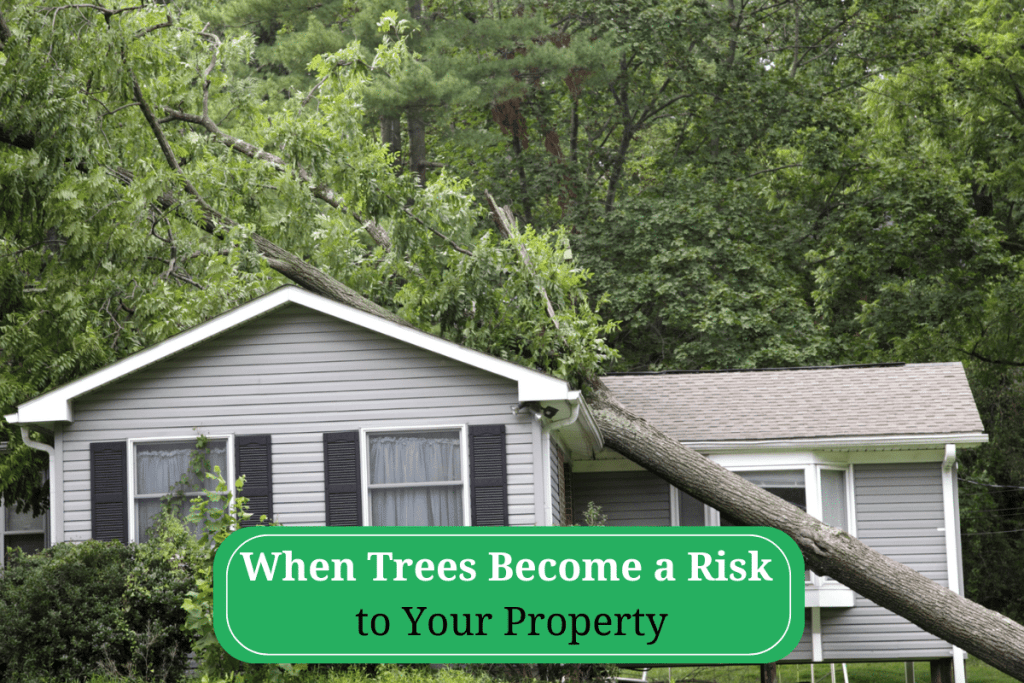
Trees add undeniable beauty, shade, and value to residential and commercial properties across Metairie, LA. However, when trees are not properly maintained or begin to decline, they can quickly shift from being an asset to a serious liability. Understanding when trees become hazardous is essential for protecting your property, ensuring safety, and avoiding costly damage.
This guide explores the key warning signs, risks, and professional considerations property owners should be aware of—helping you make informed decisions before minor issues turn into major problems.
Why Tree Health Matters for Property Safety
Healthy trees contribute to curb appeal, environmental balance, and even energy efficiency. But compromised trees can pose significant threats. From falling branches to root system disruptions, neglected trees often lead to structural damage and safety hazards.
In regions like Metairie, where storms and high humidity are common, trees are especially vulnerable to disease, decay, and structural instability. This makes regular inspection and maintenance crucial for both homeowners and business owners.
Common Dangerous Tree Signs You Should Never Ignore
Recognizing dangerous tree signs early can help prevent unexpected accidents and expensive repairs. Here are some of the most common indicators that a tree may be at risk:
Visible Cracks or Splits in the Trunk
Large cracks often signal internal weakness, making the tree more likely to fail during strong winds or storms.
Dead or Hanging Branches
Dead limbs, especially those hanging over roofs or driveways, can fall without warning and cause severe tree damage to property.
Leaning Trees
A sudden or increasing lean may indicate root instability or soil movement—both of which can lead to tree collapse.
Fungal Growth at the Base
Mushrooms or fungi around the trunk base are often signs of internal decay, weakening the tree’s structure from within.
Hollow or Decaying Trunk
If a tree sounds hollow when tapped or shows signs of rot, its structural integrity may already be compromised.
How Tree Damage to Property Occurs
Tree-related property damage is more common than many people realize. It often happens gradually, but can also occur suddenly during extreme weather events.
Roof and Structural Damage
Overhanging branches can scrape roofing materials, clog gutters, or fall during storms, causing costly repairs.
Foundation Issues
Tree roots can grow beneath foundations, sidewalks, and driveways, leading to cracks and uneven surfaces.
Utility Line Interference
Trees growing too close to power lines can cause outages, fire hazards, or emergency situations.
Vehicle and Fence Damage
Falling branches or entire trees can crush vehicles, fences, and outdoor structures in seconds.
The Growing Concern of Storm Damaged Trees Risk
Metairie frequently experiences heavy storms, strong winds, and occasional hurricanes. These weather conditions significantly increase the storm damaged trees risk for property owners.
After a storm, trees may appear intact but still be structurally compromised. Hidden damage such as internal cracking, root loosening, or partially broken limbs can lead to delayed failures days or even weeks later.
Post-Storm Warning Signs to Watch For:
- Newly exposed roots or soil lifting
- Broken or hanging limbs
- Sudden leaning or shifting
- Bark peeling or splitting
- Reduced leaf density or discoloration
Prompt assessment after storms is critical to identify and address these hidden dangers before they escalate.
When Tree Removal Is Necessary
Not all tree issues can be resolved with pruning or treatment. Understanding when tree removal is necessary is essential for preventing further risks.
Severe Structural Damage
If a tree has extensive decay, large trunk cracks, or major limb failure, removal may be the safest option.
Dead or Dying Trees
Dead trees become brittle over time, making them highly unpredictable and dangerous.
Root System Failure
If roots are damaged or unstable, the tree cannot anchor itself properly, increasing the risk of falling.
Proximity to Structures
Trees growing too close to homes, garages, or utility lines may need removal to prevent future damage.
Pest Infestation or Disease
Certain diseases or pest infestations can spread quickly, affecting nearby vegetation and compromising tree stability.
Preventative Measures to Reduce Tree Risks
While some tree hazards are unavoidable, many risks can be minimized through proactive care and regular inspections.
Schedule Routine Inspections
Professional arborists can identify early warning signs that are often missed by untrained eyes.
Regular Pruning and Maintenance
Removing weak or overgrown branches helps maintain structural balance and reduces fall risk.
Monitor Soil and Root Health
Healthy soil conditions support strong root systems, which are critical for tree stability.
Prepare for Storm Seasons
Pre-storm pruning and reinforcement can significantly reduce damage during severe weather events.
The Role of Professional Tree Services
Handling hazardous trees is not a DIY task. Professional expertise ensures safe and effective solutions, especially when dealing with large or unstable trees.
Midway through property maintenance planning, many homeowners consider tree removal services in Metairie, LA to address high-risk trees before they cause damage. Professionals use specialized equipment and follow safety protocols to manage even the most complex situations efficiently.
Long-Term Benefits of Addressing Tree Risks Early
Taking timely action on tree-related issues offers several long-term advantages:
- Enhanced Safety: Reduces the risk of injury or accidents
- Property Protection: Prevents structural damage and costly repairs
- Increased Property Value: Maintains a well-kept and attractive landscape
- Peace of Mind: Eliminates uncertainty during storms or high winds
FAQs
How can I tell if a tree is dangerous?
Look for signs like cracks, dead branches, leaning, or fungal growth. These are common indicators of structural weakness.
Are all leaning trees a risk?
Not necessarily. Some trees naturally grow at an angle, but sudden or increasing leaning is a cause for concern.
What should I do after a storm?
Inspect your trees for visible damage and consult a professional if you notice any unusual changes.
Can tree roots really damage my foundation?
Yes, invasive roots can cause cracks and structural shifts over time, especially if planted too close to buildings.
Is it better to remove a tree or try to save it?
It depends on the severity of the issue. A professional assessment can determine whether treatment or removal is the best option.
Summary
Trees are valuable assets, but when neglected or damaged, they can pose serious risks to your property and safety. Recognizing dangerous tree signs, understanding the impact of storm damaged trees risk, and knowing when tree removal is necessary are all critical steps in responsible property management. By addressing potential hazards early and seeking professional guidance when needed, you can protect your investment and maintain a safe environment. For reliable and expert support, property owners can trust The Treeminator LLC for comprehensive tree care solutions tailored to the unique conditions of Metairie, LA.