Trees add beauty, shade, and environmental value to any property, but when they become damaged, diseased, or unstable, they can quickly turn into a serious safety hazard. In a city like New Orleans where heavy storms, high humidity, and aging trees are common—recognizing the early warning signs of a dangerous tree is essential. Ignoring these signs can lead to costly property damage, personal injury, or even legal liability.
This guide highlights five critical warning signs that indicate you need professional tree removal services immediately, along with expert insights to help you make informed decisions.
Why Timely Tree Removal Matters in New Orleans
New Orleans experiences frequent severe weather, including hurricanes, tropical storms, and heavy rainfall. These environmental factors weaken tree structures over time, making them more prone to falling or causing damage. Additionally, the city’s soil conditions and high moisture levels can accelerate root decay, increasing the risk of tree instability.
Delaying necessary tree removal not only increases safety risks but can also lead to higher costs due to emergency situations. That’s why understanding the warning signs is crucial for homeowners and property managers alike.
1. Visible Signs of Tree Decay or Disease
One of the most obvious indicators that a tree needs removal is visible decay or disease. Trees may look stable from a distance, but closer inspection often reveals serious structural issues.
Key Signs to Watch For:
- Large cracks or splits in the trunk
- Fungal growth such as mushrooms at the base
- Peeling or missing bark
- Hollow or soft spots in the trunk
- Dead or brittle branches
Diseased trees lose their structural integrity over time, making them unpredictable and dangerous. In many cases, dead or hazardous tree removal becomes necessary to prevent sudden collapse.
Ignoring these symptoms can result in the tree falling unexpectedly, especially during storms.
2. Leaning Trees or Unstable Structure
A tree that suddenly begins to lean is a major red flag. While some trees naturally grow at slight angles, a noticeable shift in position often indicates root damage or soil instability.
Warning Indicators:
- A new or increasing lean
- Exposed or lifting roots
- Soil cracks around the base
- Uneven canopy weight distribution
Leaning trees are particularly dangerous in urban areas like New Orleans, where homes, vehicles, and power lines are often nearby. Immediate inspection is essential to determine whether removal is the safest option.
3. Storm Damage and Broken Limbs
New Orleans is no stranger to extreme weather. Strong winds and heavy rain can severely damage even healthy trees.
Common Storm-Related Issues:
- Large broken branches hanging loosely
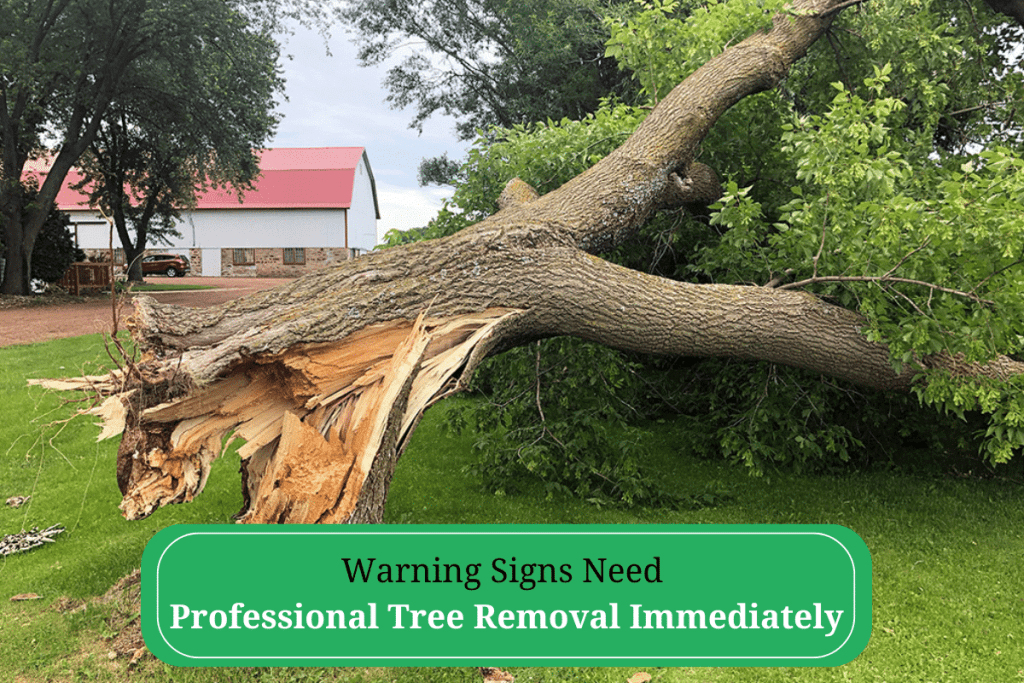
- Split trunks or major limb loss
- Trees uprooted or partially uprooted
- Debris entangled in the canopy
In such cases, storm damage tree removal becomes urgent. Damaged trees may not fall immediately but can collapse days or weeks later without warning.
Professional arborists assess whether the tree can be saved or if removal is the safest solution. Attempting DIY removal in these situations can be extremely dangerous.
4. Dead Trees or No Seasonal Growth
A tree that no longer produces leaves, flowers, or new growth is likely dead or dying. Dead trees are structurally weak and highly unpredictable.
Signs of a Dead Tree:
- No leaves during growing season
- Brittle branches that snap easily
- Bark falling off in large sections
- Lack of new buds or shoots
Dead trees pose a significant risk, especially in residential neighborhoods. They can fall without warning, making dead or hazardous tree removal a top priority.
5. Proximity to Structures or Power Lines
Even a healthy tree can become a hazard if it grows too close to structures or utility lines. Over time, roots and branches can cause serious damage.
Risk Factors Include:
- Branches touching roofs or windows
- Roots damaging foundations or sidewalks
- Trees growing into power lines
- Limited space for safe growth
In these cases, removal may be necessary to prevent long-term property damage. If you’re dealing with such issues, it’s important to consult professionals experienced in emergency tree removal in New Orleans.
Understanding Tree Removal Costs in New Orleans
One of the most common concerns homeowners have is pricing. The tree removal cost in New Orleans can vary based on several factors:
Factors Affecting Cost:
- Tree size and height
- Location and accessibility
- Level of damage or decay
- Emergency vs. scheduled service
- Equipment and labor required
Emergency services typically cost more due to urgency and risk, but delaying removal can lead to even higher expenses if the tree causes damage.
Investing in timely professional services often saves money in the long run.
When to Call for Emergency Tree Removal
Not every tree issue requires immediate action, but certain situations demand urgent attention:
- Tree is at risk of falling after a storm
- Large branches are hanging dangerously
- Tree is leaning toward a structure
- Roots are severely exposed or damaged
- Tree is interfering with power lines
In these cases, emergency tree removal in New Orleans is essential to protect lives and property.
The Importance of Professional Tree Removal Services
Tree removal is not a DIY job—especially when dealing with large, damaged, or hazardous trees. Professional arborists bring the expertise, equipment, and safety protocols needed to handle complex removals.
Benefits of Hiring Professionals:
- Accurate risk assessment
- Safe and efficient removal
- Proper equipment and techniques
- Cleanup and debris removal
- Compliance with local regulations
Attempting to remove a tree without proper training can lead to serious injuries or property damage.
When Should You Consider Professional Tree Removal?
If you’re noticing any of these warning signs on your property, it may be time to consider professional tree removal in New Orleans LA to prevent safety risks and avoid costly damage. Acting early not only protects your home and surroundings but also ensures that potential hazards are handled safely and efficiently by experienced professionals..
Preventative Tree Care Tips
While some situations require removal, regular maintenance can extend the life of your trees and reduce risks.
Best Practices:
- Schedule routine inspections
- Trim and prune regularly
- Monitor for disease or pests
- Ensure proper soil drainage
- Remove weak or dead branches early
Preventative care helps identify issues before they become emergencies.
FAQs
1. How do I know if a tree is dangerous?
If a tree shows signs of decay, leaning, or storm damage, it may be hazardous. A professional inspection is the best way to determine risk.
2. Can a damaged tree be saved instead of removed?
In some cases, pruning or treatment can restore tree health. However, severely damaged or dead trees usually require removal.
3. How quickly should I act after storm damage?
Immediately. Delaying action increases the risk of falling branches or complete tree collapse.
4. Is tree removal expensive in New Orleans?
Costs vary depending on size, condition, and urgency. Emergency services are typically more expensive but necessary in high-risk situations.
5. Do I need permission to remove a tree?
Local regulations may apply, especially for protected species. Professional services can guide you through compliance requirements.
Summary
Recognizing the warning signs of a hazardous tree is essential for maintaining a safe and secure property in New Orleans. From visible decay and leaning structures to storm damage and proximity risks, each indicator should be taken seriously and addressed promptly.
Professional tree removal ensures safety, efficiency, and compliance with local standards. If you’re dealing with any of these issues, working with a trusted provider like The Treeminator LLC can help you handle the situation effectively while protecting your property and peace of mind.