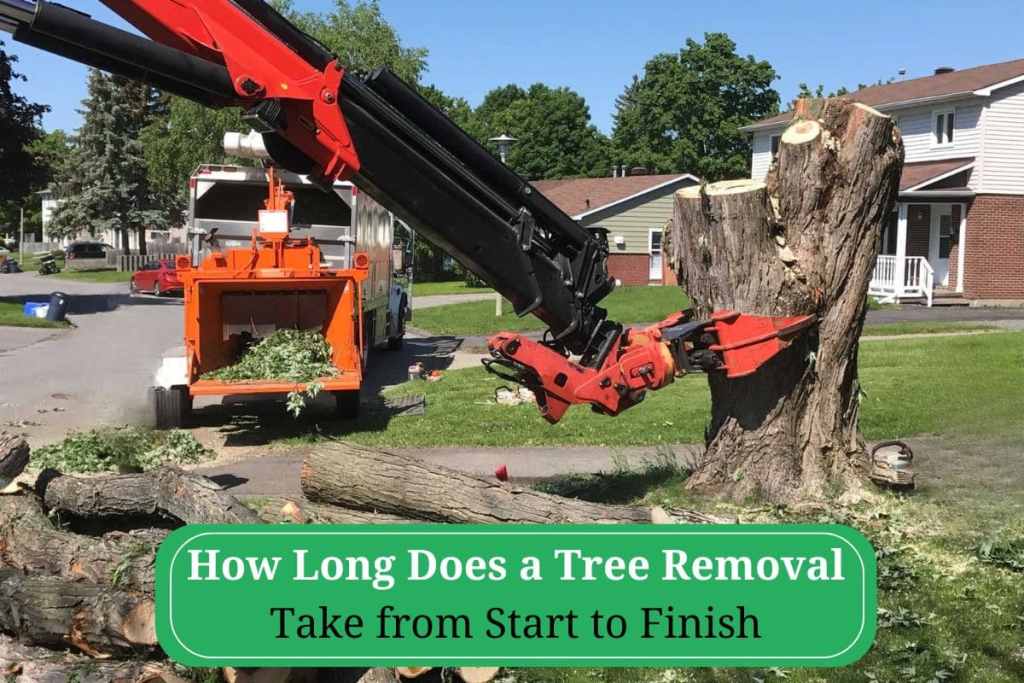
Removing a tree is not always a quick job. Some trees can be removed within a few hours, while others may take an entire day or longer depending on the size, location, and condition of the tree. Homeowners often wonder what happens during the process and how long each stage takes from inspection to final cleanup.
Understanding the full timeline can help you prepare your property, schedule the work properly, and know what to expect during the project. Whether you are dealing with a damaged tree, an overgrown backyard tree, or a dangerous dead tree, professional planning plays a major role in completing the job safely and efficiently. In this guide, we will explain every step involved in tree removal, the factors that affect the timeline, and why professional handling is important for safe and successful results.
Understanding the Complete Tree Removal Timeline
The tree removal timeline depends on several important factors. Every property and tree condition is different, so the duration can vary from one project to another. Small trees located in open areas are usually faster to remove because crews have easier access and need less equipment. Larger trees near homes, fences, driveways, or power lines often require additional safety precautions and more time. A standard tree removal project usually includes:
- Initial inspection and assessment
- Equipment setup
- Branch trimming and cutting
- Section-by-section tree removal
- Stump handling if needed
- Debris removal and cleanup
For many residential projects, the complete process can be completed within the same day. However, trees with difficult access or severe damage may require additional time.
Factors That Affect Tree Removal Time
Several conditions can increase or decrease the project duration:
- Tree height and trunk diameter
- Tree condition and stability
- Nearby structures or utility lines
- Weather conditions
- Accessibility for trucks and equipment
- Permit requirements in some locations
Professional crews carefully evaluate these details before beginning the work to ensure efficiency and safety.
Step-by-Step Guide to the Tree Removal Process
The tree removal process follows a structured approach designed to reduce risk and protect surrounding property.
Initial Property Inspection
Before any cutting begins, professionals inspect the tree and surrounding area. They check for signs of decay, weak limbs, storm damage, and nearby obstacles. This inspection helps determine:
- The safest cutting direction
- Required equipment
- Crew size
- Estimated completion time
Equipment Preparation
Once the assessment is complete, the crew prepares specialized equipment such as:
- Chainsaws
- Safety harnesses
- Cranes or bucket trucks when needed
- Wood chippers
- Ropes and rigging tools
The setup phase may take additional time for larger or hazardous trees.
Branch and Limb Removal
In most cases, branches are removed first to make the tree safer and easier to handle. Workers usually cut limbs section by section from the top down. This controlled method helps prevent property damage and improves overall safety during the removal process.
Trunk Removal
After the limbs are cleared, the trunk is cut into manageable sections. Depending on the location and tree size, professionals may lower pieces carefully using ropes and rigging systems.
Final Debris Removal
Once the tree is down, crews remove branches, logs, sawdust, and remaining debris from the property.
Why Safe Tree Removal Requires Proper Planning
Safe tree removal is one of the most important parts of the entire process. Tree removal involves heavy equipment, falling branches, sharp tools, and potential structural hazards. Attempting to remove large trees without professional experience can create serious risks for homeowners, nearby structures, and surrounding landscaping. Professional crews use industry-approved safety procedures that include:
- Controlled cutting techniques
- Protective gear
- Safe climbing systems
- Strategic branch lowering
- Emergency response planning
Trees located near power lines or buildings require even greater precision and planning. This is why experienced professionals never rush the process simply to finish quickly.
Weather Can Impact Safety and Timing
Strong winds, rain, or lightning can delay the project. Wet surfaces and unstable ground conditions increase the danger during cutting and climbing operations. Safety inspections may also continue throughout the day to ensure conditions remain stable. In many cases, homeowners searching for reliable tree removal services want both efficiency and proper safety standards. Balancing speed with careful execution is essential for successful results.
How Tree Cleanup Services Complete the Job
Many homeowners focus only on the cutting stage, but tree cleanup services are equally important. Cleanup often takes a significant amount of time after the actual removal is complete. A professional cleanup process usually includes:
- Removing branches and logs
- Chipping wood debris
- Raking sawdust and leaves
- Clearing pathways and driveways
- Hauling debris away from the property
Some projects may also include stump grinding depending on the homeowner’s request.
Why Cleanup Matters
Leaving debris behind can create:
- Safety hazards
- Pest problems
- Lawn damage
- Drainage issues
Proper cleanup restores the appearance of the property and helps homeowners use the space again quickly. For large projects, cleanup may take almost as long as the cutting phase itself.
Dead Tree Removal Often Takes Extra Time
Dead tree removal can be more challenging than removing healthy trees. Dead trees become dry, brittle, and unstable over time, making them less predictable during cutting. Branches can break unexpectedly, and weakened trunks may shift without warning.
Additional Risks with Dead Trees
Dead trees often require:
- Extra safety inspections
- Specialized cutting methods
- Additional rigging support
- Careful limb-by-limb removal
If the tree is severely damaged or leaning toward structures, crews may need cranes or advanced equipment to complete the work safely.
Signs a Dead Tree Needs Immediate Attention
Homeowners should schedule an inspection if they notice:
- Cracked trunks
- Large dead branches
- Fungal growth near the base
- Bark falling off
- Hollow sections in the trunk
Ignoring a dead tree can increase the risk of property damage during storms or high winds.
How Professional Arborists Help Ensure Safe and Efficient Tree Removal
Hiring professional arborists is one of the most important parts of a successful tree removal project. Tree removal requires more than simply cutting branches or removing a trunk. It involves careful planning, safety inspections, equipment handling, and understanding how different tree species react during the removal process.
Professional arborists are trained to evaluate tree health, identify structural weaknesses, and determine the safest removal method based on the surrounding environment. Their experience helps reduce the risk of property damage, falling limbs, and unexpected accidents during the project. Many homeowners choose to work with experienced professional arborists because they understand proper safety procedures, advanced cutting techniques, and efficient project planning for complex tree removal situations.
Backyard Tree Removal May Require More Preparation
Backyard tree removal can sometimes take longer than front-yard projects because equipment access is more limited. Trees behind homes often sit near:
- Fences
- Pools
- Sheds
- Decks
- Neighboring properties
Limited space means crews must carefully lower branches and trunk sections piece by piece instead of allowing them to fall freely.
Equipment Access Challenges
In some cases, workers may need:
- Smaller equipment
- Manual climbing techniques
- Additional rigging systems
Narrow gates or tight landscaping layouts can increase the overall project timeline.
Protecting Nearby Landscaping
Professional crews also work carefully to minimize damage to:
- Grass
- Flower beds
- Walkways
- Irrigation systems
Planning and patience are especially important for complex backyard removals.
Frequently Asked Questions
Q1. How long does it usually take to remove a tree?
Most standard residential tree removals can be completed within a few hours to one full day, depending on the tree size and location.
Q2. Does weather affect tree removal timing?
Yes. Rain, strong winds, and storms can delay work for safety reasons.
Q3. Can dead trees take longer to remove?
Yes. Dead tree removal often requires extra safety precautions because unstable branches and trunks can break unexpectedly.
Q4. Is cleanup included after tree removal?
Most professional companies include basic cleanup services, but homeowners should confirm the details before work begins.
Q5. Why does backyard tree removal sometimes take longer?
Limited access, nearby structures, and tight working spaces can increase the complexity and duration of backyard projects.
Summary
Understanding how long tree removal takes from start to finish helps homeowners prepare for every phase of the project. From inspection and cutting to cleanup and debris hauling, each step plays an important role in completing the work safely and efficiently. Factors like tree size, location, weather, and accessibility all influence the final timeline. Working with experienced professionals helps ensure the process is handled properly while reducing risks to your property. Companies like The Treeminator LLC help homeowners manage complex tree removal projects with careful planning, professional equipment, and reliable service from beginning to end.