
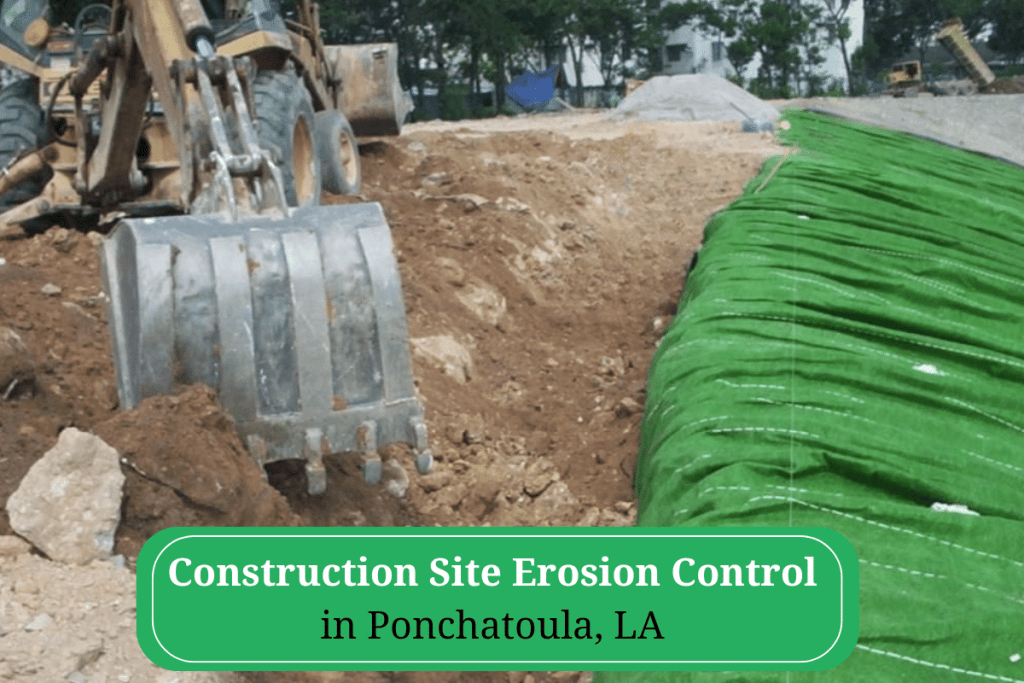
Construction activity plays a vital role in the continued growth of Ponchatoula, Louisiana, but it also brings environmental responsibilities. In regions like Ponchatoula, where heavy rainfall, clay-based soils, and low-lying terrain are common, construction site erosion can quickly become a serious issue. Without proper planning and erosion control measures, sediment runoff can damage nearby properties, clog drainage systems, and pollute local waterways.
For developers, contractors, and property owners, understanding construction site erosion control in Ponchatoula, LA is not just about compliance—it’s about protecting investments, maintaining safety, and preserving the region’s natural resources. This guide explores proven methods, regulatory requirements, and best practices to ensure responsible site management.
Why Construction Site Erosion Control Matters in Ponchatoula
Ponchatoula’s humid subtropical climate brings frequent rainstorms, especially during hurricane season. Combined with sandy and silty soils found throughout Tangipahoa Parish, disturbed ground can erode rapidly if left unprotected.
Key Risks of Construction Site Erosion:
- Sediment runoff into drainage ditches and waterways
- Foundation instability due to soil displacement
- Increased flood risk from clogged storm drains
- Regulatory fines and project delays
- Damage to surrounding vegetation and ecosystems
Effective erosion control in construction helps reduce these risks while ensuring projects stay on schedule and within budget.
Understanding Local Soil and Weather Conditions
Before implementing any erosion control plan, contractors must evaluate site-specific factors:
1. Soil Composition
Soils in Ponchatoula often contain sand and silt, which are more prone to washing away than compact clay.
2. Rainfall Patterns
The area experiences high annual rainfall, particularly during late summer and hurricane season. Sudden downpours can overwhelm unprotected sites within hours.
3. Topography
Sloped construction sites significantly increase the speed and volume of runoff, intensifying construction site erosion.
A professional site assessment ensures erosion prevention strategies are tailored to local conditions rather than using generic solutions.
Common Causes of Construction Site Erosion
Understanding what triggers erosion is essential for prevention.
- Land clearing and grading that removes protective vegetation
- Improper drainage planning
- Stockpiled soil left uncovered
- Inadequate slope stabilization
- Lack of sediment barriers
In fast-developing areas, rushed preparation often leads to overlooked erosion control measures, increasing long-term costs.
Proven Methods for Construction Site Erosion Control in Ponchatoula, LA
Implementing a combination of structural and non-structural controls is the most effective approach.
1. Silt Fences and Sediment Barriers
Silt fences are one of the most commonly used tools in erosion control in construction. Installed along site perimeters, they trap sediment before it leaves the property.
Best Practice Tip:
Ensure fences are trenched properly into the ground and inspected regularly after rainfall.
2. Erosion Control Blankets and Mats
Biodegradable blankets made from straw, coconut fiber, or synthetic materials stabilize exposed soil on slopes.
These are particularly effective:
- After grading
- On steep inclines
- During temporary construction pauses
They help reduce surface runoff velocity and encourage vegetation growth.
3. Temporary Seeding and Vegetative Stabilization
Vegetation is one of the most effective natural erosion barriers. Seeding disturbed soil as soon as possible significantly reduces sediment runoff.
Hydroseeding is often used for:
- Large residential developments
- Commercial construction sites
- Roadway expansion projects
Mid-project stabilization methods, such as forestry mulching in Ponchatoula, can also help manage cleared land while preserving soil structure and reducing surface erosion.
4. Diversion Ditches and Swales
Strategically placed swales and diversion ditches redirect water flow away from exposed soil. These systems prevent concentrated runoff from eroding slopes or pooling in unwanted areas.
Proper grading design is critical to ensure water flows toward controlled drainage points.
5. Riprap and Rock Check Dams
Rock-lined channels or check dams slow water velocity in drainage areas. This reduces the erosive force of runoff and captures sediment.
These solutions are ideal for:
- Sloped access roads
- Drainage outlets
- Temporary water channels
6. Construction Entrance Stabilization
Gravel construction entrances reduce mud tracking onto public roads, preventing sediment from entering municipal drainage systems.
This practice supports compliance with environmental regulations and improves community relations.
Regulations Governing Construction Site Erosion in Louisiana
Construction projects in Ponchatoula must comply with both state and federal environmental laws.
Louisiana Department of Environmental Quality (LDEQ)
The Louisiana Department of Environmental Quality requires stormwater management permits for projects disturbing more than one acre of land.
Contractors must:
- Develop a Stormwater Pollution Prevention Plan (SWPPP)
- Implement approved erosion and sediment control measures
- Conduct routine inspections
- Maintain documentation
Federal Clean Water Act
Under the Clean Water Act, sediment runoff into navigable waters is considered a pollutant. Non-compliance can result in heavy fines and project shutdowns.
Local Parish Requirements
Tangipahoa Parish may impose additional drainage and land development regulations. It’s essential to coordinate with local authorities before breaking ground.
Best Practices for Long-Term Erosion Prevention
While temporary controls are essential during construction, long-term stabilization ensures ongoing protection.
1. Plan Erosion Control Before Groundbreaking
Incorporate erosion management into the early design phase rather than treating it as an afterthought.
2. Minimize Soil Disturbance
Clear only the areas necessary for construction. Phased development reduces exposed soil at any given time.
3. Stabilize Soil Quickly
The longer soil remains bare, the greater the erosion risk. Apply mulch, seed, or stabilization products immediately after grading.
4. Conduct Regular Inspections
Inspect sites:
- After heavy rainfall
- Weekly during active construction
- Before final project approval
5. Train Construction Crews
Workers should understand:
- Proper installation of erosion barriers
- Maintenance responsibilities
- Reporting procedures for damage
Economic Benefits of Proper Construction Site Erosion Control
Investing in professional erosion control delivers measurable returns:
- Reduced cleanup costs
- Lower risk of regulatory penalties
- Improved soil stability for foundations
- Enhanced property value
- Stronger community reputation
In many cases, prevention costs far less than repairing erosion damage or paying environmental fines.
Sustainable Approaches to Erosion Control in Construction
Modern projects increasingly emphasize environmentally responsible practices.
Green Infrastructure Solutions:
- Rain gardens
- Permeable paving
- Bioswales
- Native plant restoration
These strategies not only reduce construction site erosion but also support long-term stormwater management.
Sustainability-focused erosion control helps protect Ponchatoula’s local water systems and preserves its natural charm.
Challenges Unique to Ponchatoula Construction Sites
Ponchatoula’s location near wetlands and flood-prone areas presents additional considerations:
- High water tables
- Soil saturation after storms
- Hurricane-related flooding
- Sensitive surrounding ecosystems
Construction planning must account for extreme weather events, especially during hurricane season.
When to Hire a Professional Erosion Control Contractor
While small residential projects may handle basic controls independently, larger developments benefit from professional expertise.
Consider hiring specialists when:
- Disturbing more than one acre
- Working near waterways
- Developing on steep slopes
- Managing multi-phase projects
Professional contractors understand regulatory compliance, technical design, and long-term stabilization methods.
FAQs
1. What is construction site erosion control?
It refers to methods used to prevent soil displacement and sediment runoff during construction activities.
2. Why is erosion control important in Ponchatoula?
High rainfall, sandy soils, and hurricane risks increase the likelihood of erosion-related damage and regulatory issues.
3. Is a permit required for erosion control in Louisiana?
Yes, projects disturbing more than one acre typically require stormwater permits through the Louisiana Department of Environmental Quality.
4. What happens if a construction site fails to control erosion?
Developers may face fines, project shutdowns, environmental damage claims, and increased repair costs.
5. How often should erosion control systems be inspected?
Inspections should occur weekly and after significant rainfall events to ensure compliance and effectiveness.
6. What is the most effective method of erosion control in construction?
There is no single solution. A combination of sediment barriers, vegetation, grading design, and drainage systems provides the best results.
Summary
Construction site erosion control in Ponchatoula, LA is a critical component of responsible development. From silt fencing and erosion blankets to regulatory compliance and sustainable practices, proactive management protects both projects and the environment. Given the region’s heavy rainfall and sensitive ecosystems, implementing professional erosion control measures ensures long-term stability, regulatory compliance, and community trust.
For property owners and developers seeking reliable land management solutions, The Treeminator LLC provides professional expertise tailored to local conditions, helping projects move forward safely and responsibly.