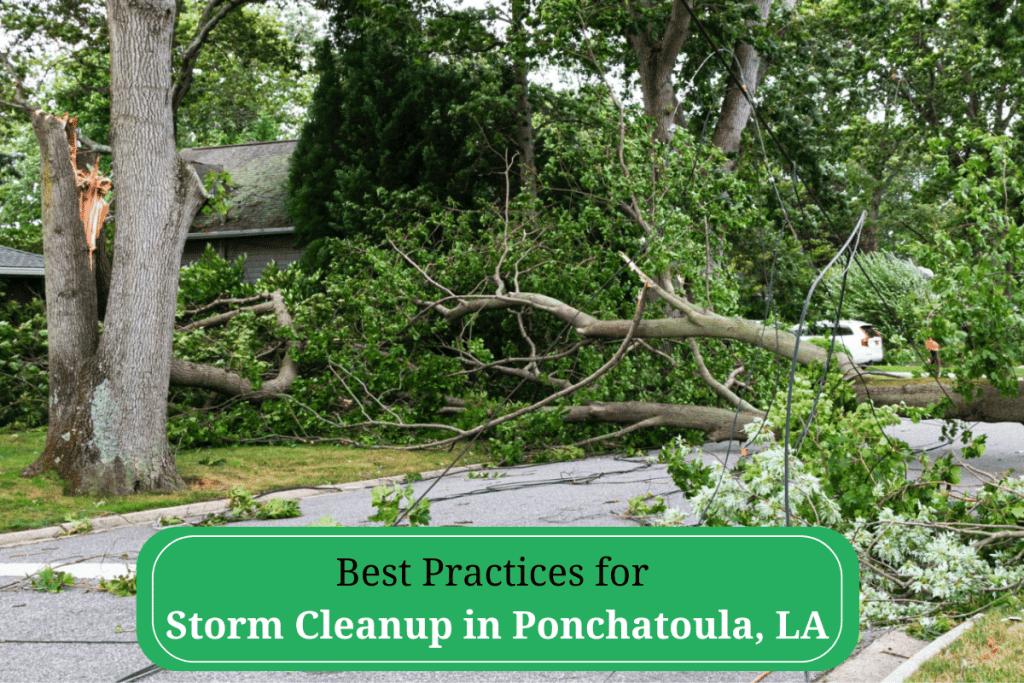
Storms are an unavoidable part of life in South Louisiana, and residents of Ponchatoula know how quickly severe weather can leave behind fallen trees, scattered debris, and hazardous conditions. Whether caused by hurricanes, tropical storms, or intense thunderstorms, the aftermath can be overwhelming. Proper storm cleanup isn’t just about restoring appearances—it’s about protecting people, property, and long-term community safety.
This complete guide covers the best practices for storm cleanup in Ponchatoula LA, focusing on safety, efficiency, and responsible recovery. From initial damage assessment to debris removal strategies and professional assistance, this resource helps homeowners and property managers navigate post-storm recovery with confidence.
Understanding the Impact of Storm Damage in Ponchatoula
Ponchatoula’s location and climate make it vulnerable to heavy rainfall, high winds, and fallen vegetation. Storm damage commonly includes:
- Uprooted or split trees
- Broken limbs hanging over homes or roadways
- Flood-soaked debris and mud
- Damaged fencing, sheds, and outdoor structures
These conditions increase risks such as electrical hazards, unstable trees, mold growth, and blocked access routes. Addressing cleanup quickly—but safely—is essential for preventing further damage.
Prioritizing Safety Before Beginning Cleanup
Safety should always come first after a storm. Many injuries occur during cleanup due to rushing or improper handling of debris.
Key Safety Precautions to Follow
- Wait for official clearance: Ensure weather conditions are stable before starting any cleanup.
- Avoid downed power lines: Treat all fallen wires as live and keep a safe distance.
- Wear protective gear: Gloves, steel-toe boots, eye protection, and hard hats reduce injury risks.
- Watch for unstable trees: Leaning or partially uprooted trees can fall unexpectedly.
If damage appears extensive or hazardous, it’s best to delay hands-on cleanup and consult professionals.
Step-by-Step Storm Cleanup Process
An organized approach makes cleanup safer and more efficient while minimizing overlooked hazards.
1. Conduct a Thorough Property Assessment
Start by inspecting your property for visible damage. Take photos for insurance documentation and note:
- Fallen trees or limbs
- Structural damage
- Blocked driveways or access points
- Flood-affected areas
This assessment helps determine priorities and whether professional storm cleanup services are needed.
2. Clear Access Points First
Before tackling the entire property, ensure safe entry and exit. Clearing driveways, walkways, and emergency access routes should be the first task. This step improves mobility for emergency responders, utility crews, and cleanup teams.
3. Manage Storm Debris Strategically
Storm debris cleanup involves more than piling waste at the curb. Proper sorting helps streamline disposal and recycling.
Common Types of Storm Debris
- Vegetative debris (branches, leaves, tree trunks)
- Construction materials
- Household items damaged by flooding
Separating debris types reduces disposal delays and prevents environmental contamination.
Best Practices for Tree and Vegetation Cleanup
Trees often suffer the most damage during storms, making careful handling critical.
When Light Cleanup Is Safe
Minor debris such as small branches and leaves can usually be removed by homeowners using hand tools. However, caution is still required to avoid hidden hazards like nails, sharp splinters, or unstable footing.
When to Avoid DIY Tree Work
Large fallen trees, tangled limbs, or trees near power lines are extremely dangerous. In these cases, professional tree debris removal in Ponchatoula, LA is the safest and most effective solution, ensuring proper equipment and trained expertise are used.
Preventing Secondary Damage After a Storm
Storm cleanup isn’t just about removing debris—it’s about preventing additional problems from developing.
Moisture and Mold Control
Standing water and soaked debris can lead to mold growth within days. Prompt removal and drying of affected areas protect indoor air quality and structural integrity.
Pest Prevention
Debris piles attract insects, rodents, and wildlife. Removing organic material quickly helps reduce infestations and long-term property issues.
Environmental Responsibility During Cleanup
Responsible storm recovery protects both the community and local ecosystems.
- Recycle vegetative debris when possible
- Avoid burning debris, which may violate local regulations
- Prevent runoff contamination by keeping debris away from storm drains
Following environmentally sound practices supports sustainable recovery across Ponchatoula.
When to Hire Professional Storm Cleanup Services
While small cleanup tasks may be manageable, many situations require expert assistance.
Signs You Need Professional Help
- Large trees blocking structures or roads
- Debris entangled with utility lines
- Extensive property damage
- Limited time or physical ability
Professional storm cleanup services provide heavy equipment, trained crews, and efficient disposal methods that reduce risks and speed up recovery.
Planning Ahead for Future Storms
Preparation significantly reduces cleanup stress after severe weather.
Proactive Measures
- Schedule regular tree inspections
- Trim weak or overgrown branches
- Secure outdoor furniture and structures
- Maintain proper drainage systems
These steps minimize damage and make future storm recovery faster and safer.
FAQs
How soon should storm cleanup begin?
Cleanup should start once authorities declare conditions safe. Delaying too long can lead to additional damage, pests, and mold growth.
Is it safe to remove fallen trees myself?
Small debris may be manageable, but large or unstable trees pose serious risks. Professional assistance is recommended for heavy or hazardous tree removal.
What should I do with storm debris?
Separate vegetative debris from other materials and follow local disposal guidelines. Avoid dumping debris near waterways or public roads.
How long does storm debris cleanup usually take?
The timeline varies based on damage severity, weather conditions, and available resources. Professional services typically complete cleanup faster and more safely.
Does insurance cover storm cleanup?
Coverage depends on your policy. Document damage thoroughly and consult your insurance provider for details.
Summary
Recovering after a storm requires careful planning, safety awareness, and the right cleanup approach. From hazard assessment to debris management and long-term prevention, following best practices ensures a safer and more efficient recovery for Ponchatoula residents. For property owners who need dependable assistance after severe weather, The Treeminator LLC offers professional storm cleanup solutions designed to restore properties responsibly and safely—helping the community recover stronger after every storm.